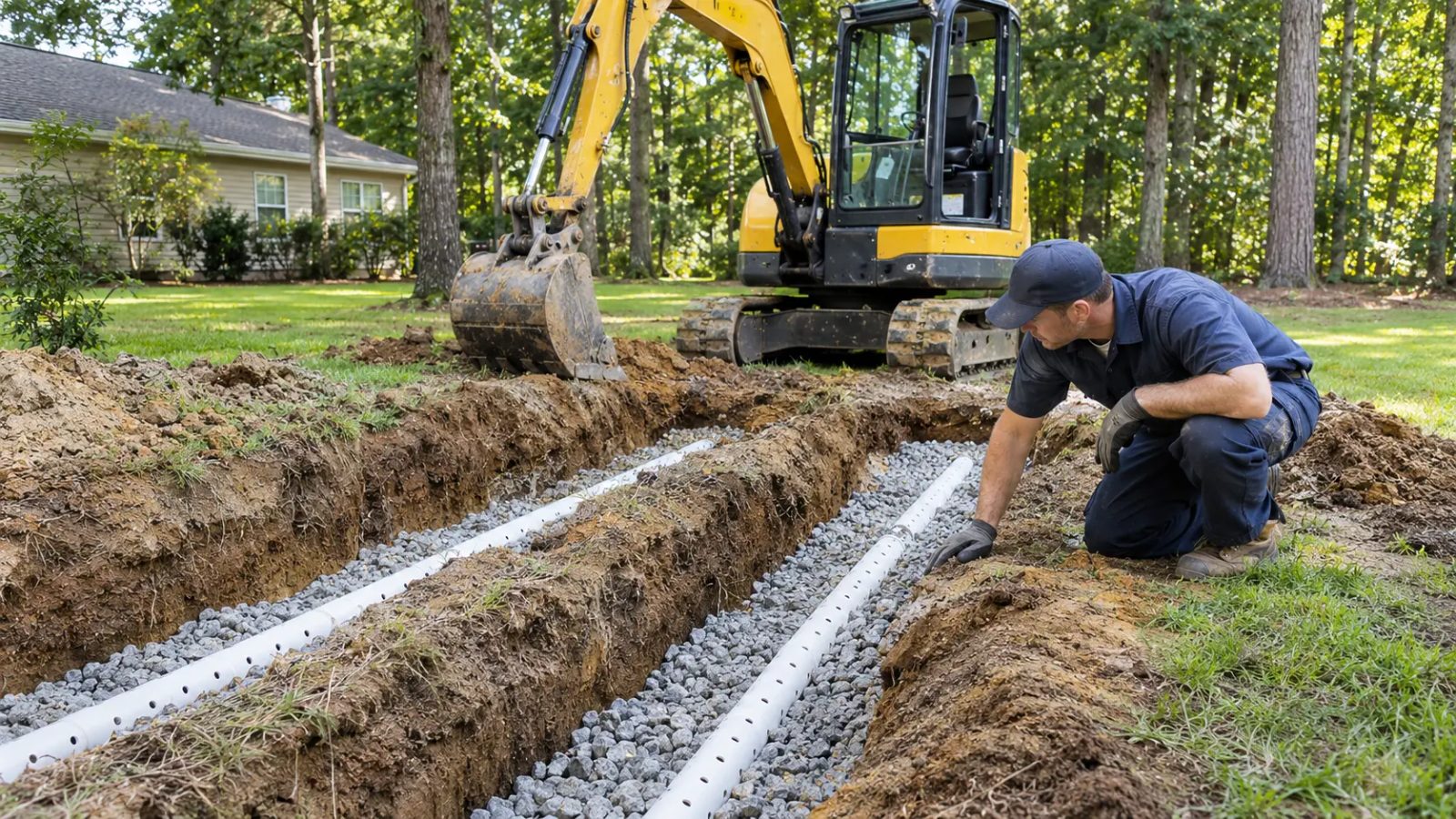
Understand Your Wastewater System
Septic System Inspections and Condition Assessments
Request a septic inspection for your property. Get a Free Estimate
Much of a septic system remains hidden underground, making it difficult to judge its condition from ordinary household use. An inspection provides an opportunity to examine accessible components and consider whether further attention is necessary.
Property buyers, sellers and existing homeowners may request inspections for different reasons. A maintenance assessment is not necessarily identical to an inspection required for a property transaction or an alternative system's operating requirements.
Explain the purpose of your inspection when contacting us. The contractor can discuss the appropriate scope, documentation and any limitations before arranging the visit.
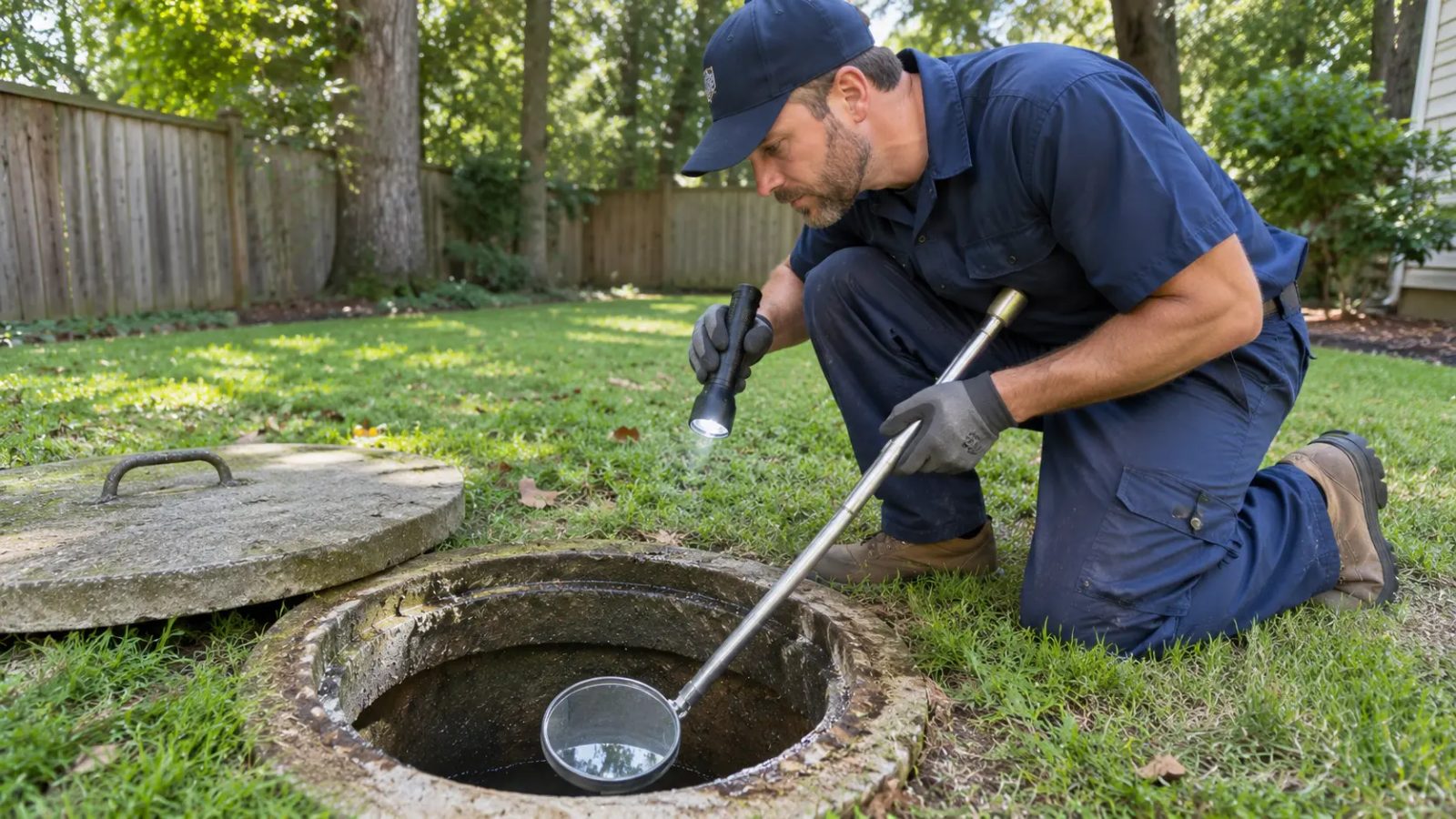
An inspection should have a clearly defined purpose. Understanding which components will be assessed and what the resulting documentation covers helps property owners interpret the findings correctly.
Buying a property with a private wastewater system creates responsibilities that may be unfamiliar to someone accustomed to public sewer service. A septic inspection can provide information about accessible equipment, maintenance history and observed concerns before the purchase is completed. Ask the seller for available permits, system drawings and previous service records. Share any transaction deadlines or specific inspection requirements with the contractor. An inspection cannot necessarily predict every future failure, especially where components remain inaccessible. However, documented findings can help buyers understand maintenance obligations and determine whether additional investigation is appropriate before making a final property decision.
Existing homeowners can benefit from understanding how their wastewater equipment is arranged and which components require regular attention. A condition assessment may identify deteriorating fittings, access problems or maintenance needs that are not immediately obvious during everyday use. The contractor can review available records and discuss observations from accessible parts of the system. If a component cannot be examined adequately, ask whether additional access or testing is recommended. Maintain a copy of the findings with other property documents. Comparing observations over time may help establish whether a particular condition is stable or requires further attention.
Intermittent wastewater problems can be particularly frustrating because the system may appear normal between episodes. Recording when symptoms occur can help establish whether they are associated with water use, rainfall or particular fixtures. The inspection should consider these patterns alongside accessible physical evidence. The contractor may need to investigate more than one component before identifying the cause. Ask whether the proposed assessment includes the tank, relevant pipes, mechanical equipment or observations of the absorption area. Further diagnostic work may be necessary if the initial inspection does not establish a clear explanation. Avoid authorizing major corrective work solely because the symptoms resemble a familiar septic problem.
Alternative onsite wastewater systems can have specific operating and maintenance obligations. Their equipment may include treatment units, pumps, control panels and other components that are not present in a basic gravity-fed arrangement. An ordinary visual tank check may not satisfy the requirements associated with these systems. Identify the installed system type and provide available operation documents when requesting service. Ask the contractor whether the necessary inspection or maintenance can be performed under the applicable Virginia requirements. Confirm what documentation will be provided and whether any reporting responsibilities apply. Keeping these records organized can help property owners manage recurring obligations and understand the equipment's operating history.
Requests can distinguish property transactions, maintenance assessments and specific performance concerns.
The contractor can discuss what records and findings will be available after the visit.
Property owners can establish which components are included and whether further evaluation may be necessary.

Get a clearer understanding of your property's wastewater equipment before making important decisions.
Free — no obligations
Explain why the inspection is needed and whether a property transaction or operating requirement is involved.
Locate permits, system drawings, maintenance paperwork and relevant equipment information.
Discuss accessible components, necessary testing and documentation with the contractor.
Ask for clarification of observed concerns, limitations and recommended follow-up work.
Not necessarily. Confirm whether the home inspection includes specialist wastewater assessment or whether a separate septic inspection is needed.
The appropriate timing depends on the inspection's purpose. Consult the contractor before arranging pumping because some observations may need to occur first.
No inspection can guarantee future performance. Findings reflect the conditions observed, the scope of the assessment and any limitations.
Retain the inspection findings, identified component information and maintenance recommendations. Keep these alongside available permits and previous service records.