New and Replacement Systems
Septic Tank Installation and System Replacement
Start planning your property's septic installation. Get a Free Estimate
Installing a septic system requires more than selecting a tank and finding somewhere to bury it. The complete wastewater system must suit the building, soil conditions, available land and applicable Virginia requirements.
New construction, replacement of deteriorated equipment and substantial property changes can all create installation needs. The contractor must understand the proposed use of the building before recommending an approach.
We accept installation requests across Western Tidewater and connect property owners with independent contractors who can discuss site evaluation, design requirements and construction arrangements.
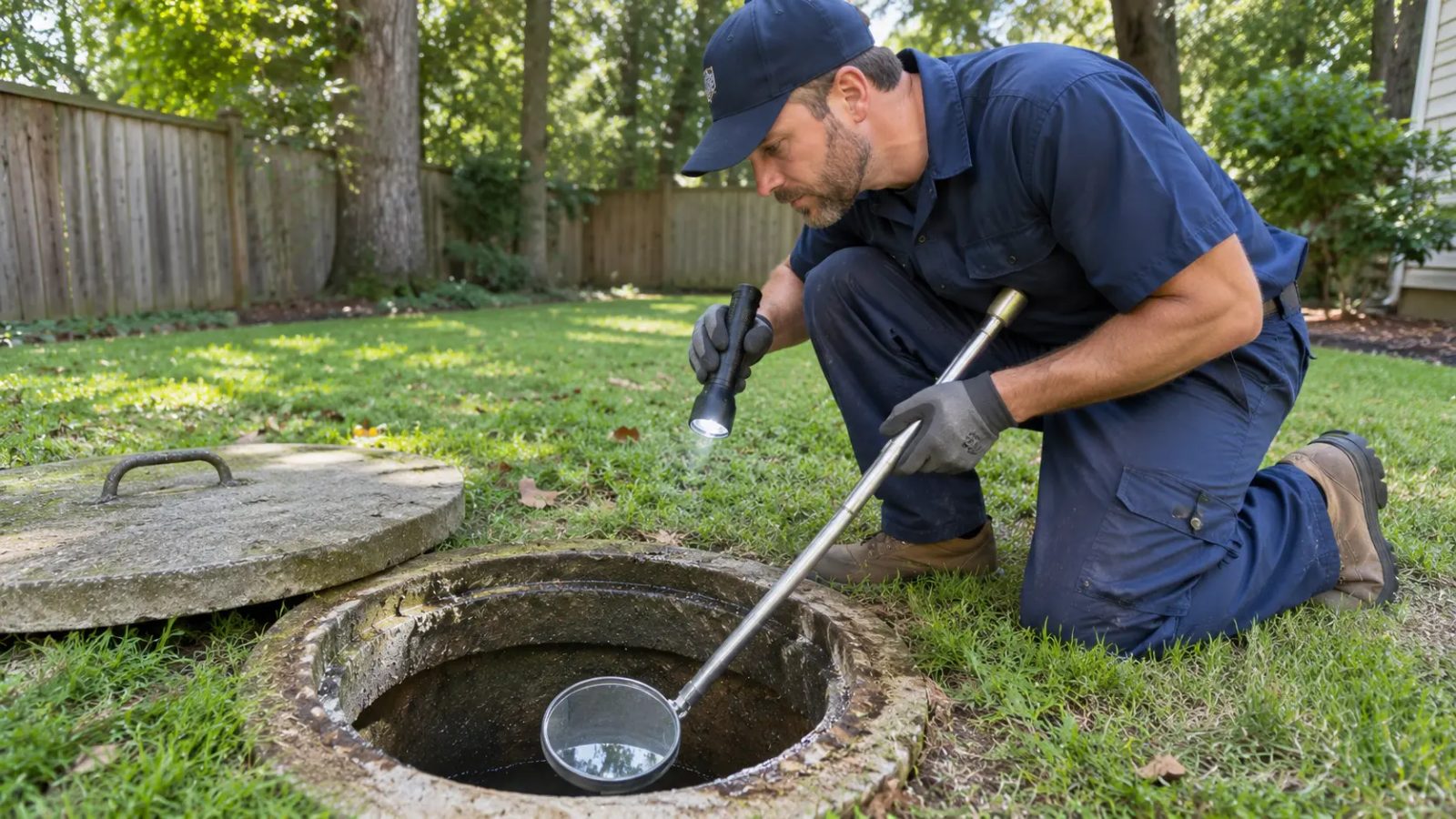
The installation process depends on site-specific findings and regulatory approvals. Early planning helps avoid conflicts between wastewater infrastructure, buildings, driveways, wells and other property features.
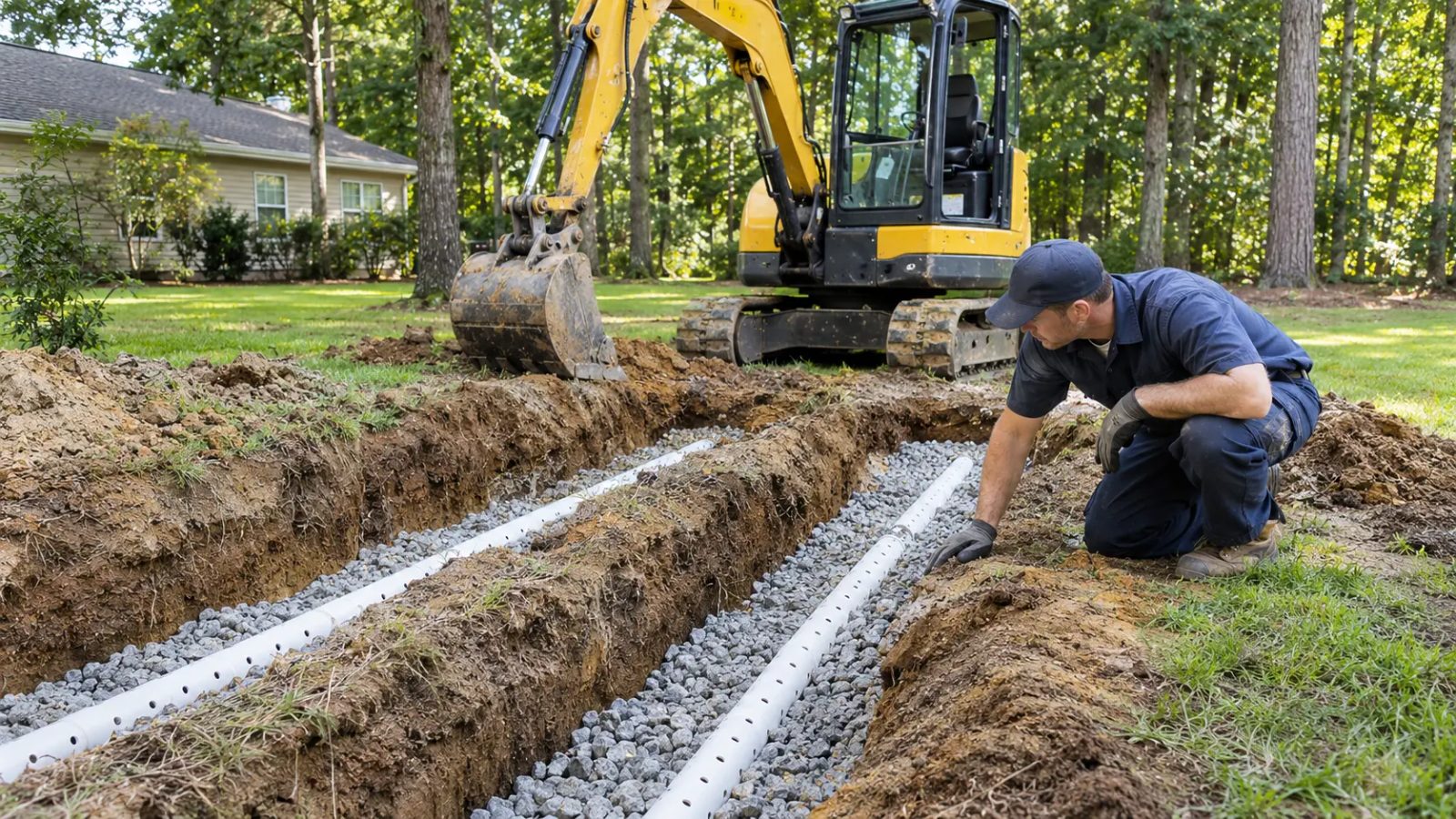
A new house outside public sewer coverage needs an approved method of wastewater treatment. Planning the septic system early allows its location to be considered alongside the proposed building footprint, driveway, well and future landscaping. Leaving these decisions until construction is underway can create avoidable complications. The appropriate design depends partly on anticipated wastewater flow and the site's ability to treat and disperse it. A qualified professional may need to evaluate soil and groundwater conditions before the installation can proceed. Share building plans and any existing site evaluations with the contractor. Discuss who will coordinate the required approvals and how installation fits into the wider construction schedule.
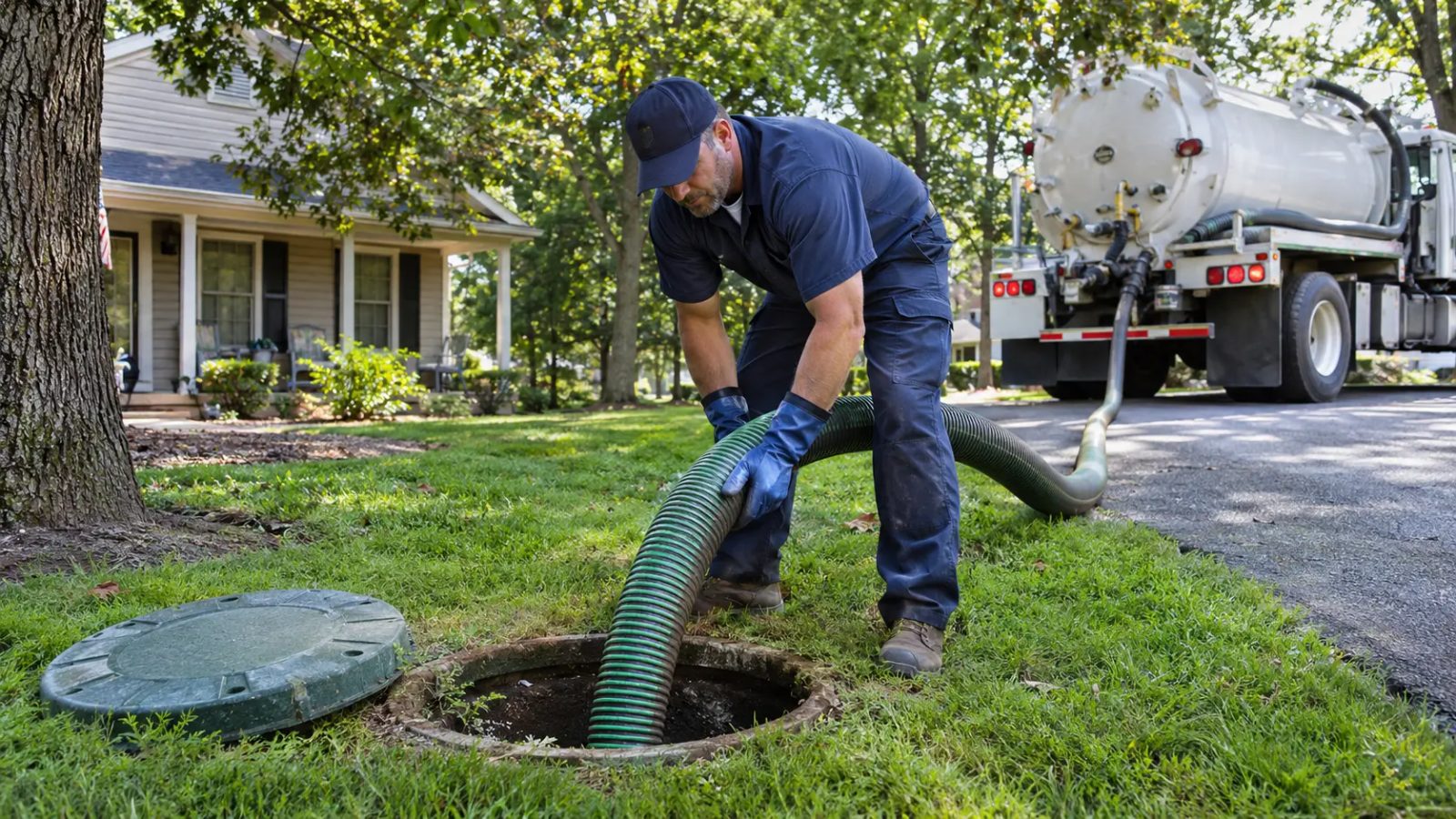
An existing tank may need replacement because of structural deterioration, damaged components or incompatibility with an approved system design. The age of the tank alone does not establish whether replacement is necessary. Its actual condition and relationship to the remaining wastewater infrastructure must be considered. The contractor can assess accessible evidence and determine whether the tank can be replaced independently or whether other components require changes. Existing pipes, treatment equipment and the drain field may influence the proposed work. Ask how the old tank will be handled, whether temporary wastewater restrictions are necessary and what restoration is included once construction is complete.
Conventional septic systems use a tank and suitable soil absorption area to manage wastewater. Where site conditions limit the use of a conventional design, an approved alternative system may provide another option. Such systems can involve additional treatment stages, pumps or specially configured dispersal equipment. The selection must reflect professional site findings and applicable requirements rather than personal preference alone. Alternative equipment can also create ongoing inspection, operation and maintenance responsibilities. Before committing to a design, ask the contractor to explain these obligations. Understanding how the system will be maintained after installation is just as important as understanding the initial construction process.
Adding bedrooms, converting a building to a different use or developing an additional dwelling may affect wastewater requirements. An existing septic system that has served the property adequately in the past may not be approved for increased or changed use. Before proceeding with substantial improvements, establish the current system's approved capacity and discuss the proposed changes with the appropriate professionals. The contractor can help identify which installation or modification work may be involved after the necessary evaluation. Avoid placing new structures over existing septic components or designated replacement areas. Coordinating the wastewater plan with the wider improvement project helps preserve future options.
Installation requests can begin before excavation or construction has started.
The contractor considers the proposed building use and existing site information when discussing the project.
Property owners can discuss future maintenance responsibilities alongside installation arrangements.

Share your construction or replacement plans and begin discussing the appropriate installation process.
Free — no obligations
Identify whether the work involves new construction, replacement or changes to an existing property.
The contractor discusses necessary evaluations, design professionals and applicable approvals.
Confirm the proposed system, construction scope, responsibilities and estimate before authorizing work.
The contractor completes the agreed installation and coordinates applicable inspections or documentation as established in the proposal.
Early wastewater planning is useful, but installation should follow an approved design and applicable permits. Building details can influence system capacity and location.
Capacity is established through applicable design requirements and the proposed wastewater demand. The contractor or appropriate design professional can explain what applies to your project.
It may be possible if the field remains suitable and the proposed arrangement meets applicable requirements. Its condition must be evaluated before making that decision.
Yes. All septic systems need appropriate care, and alternative systems may have additional operation, inspection and maintenance requirements.