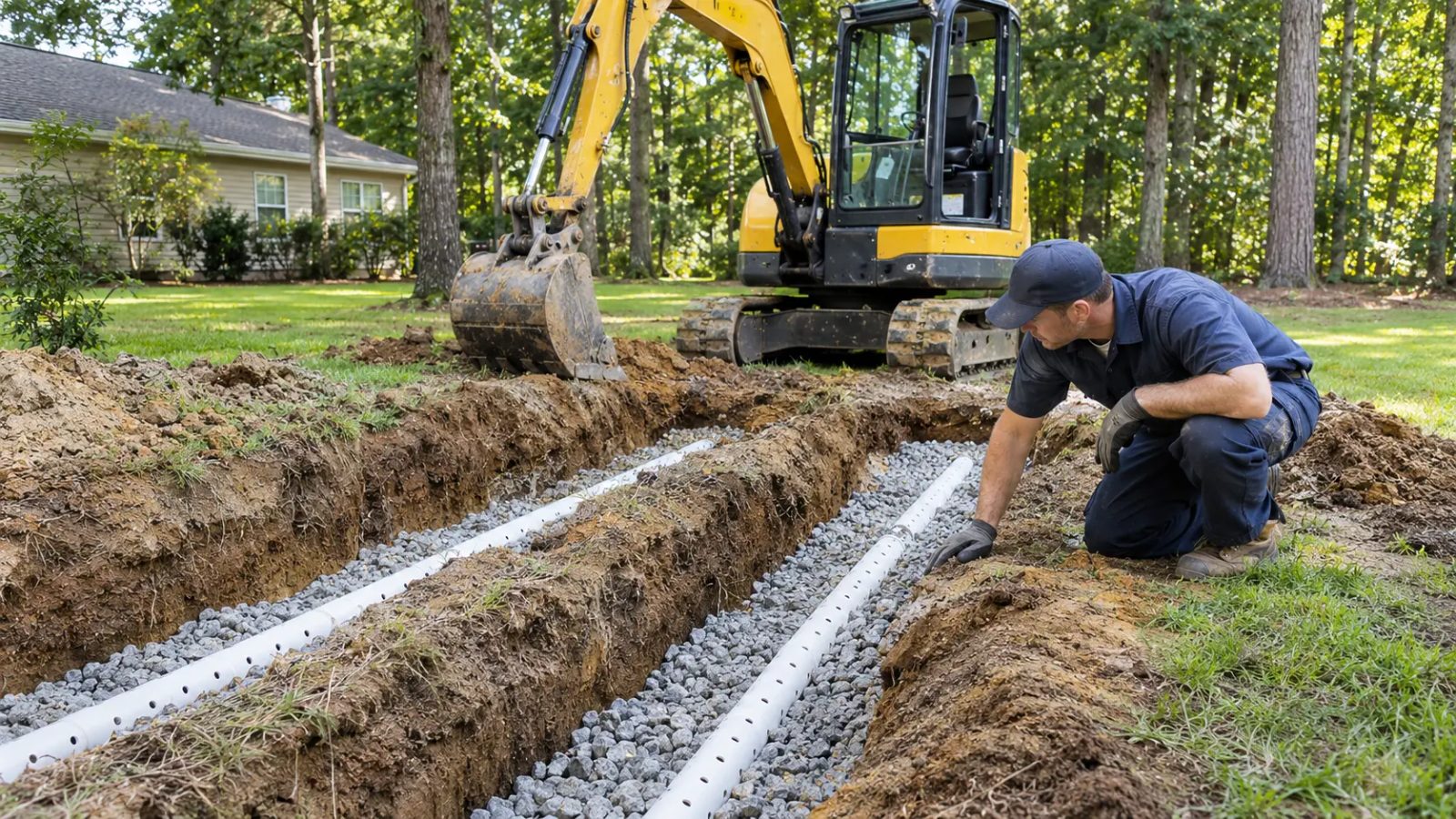
Thorough Tank Maintenance
Septic Tank Cleaning and Sludge Removal
Discuss your tank cleaning needs with a contractor. Get a Free Estimate
Septic tank cleaning and pumping are closely related services, but the terms do not always describe an identical scope of work. Cleaning may involve additional attention to accumulated material that cannot be removed adequately through ordinary pumping.
Tanks that have experienced prolonged maintenance gaps, unusual wastewater conditions or substantial deposits may benefit from a more detailed cleaning procedure. The contractor must first establish what the tank requires and which methods are suitable.
Suffolk Septic VA accepts cleaning requests for residential and commercial properties across the region. Describe the system's history and any concerns so the contractor can determine whether cleaning, pumping or further investigation is appropriate.
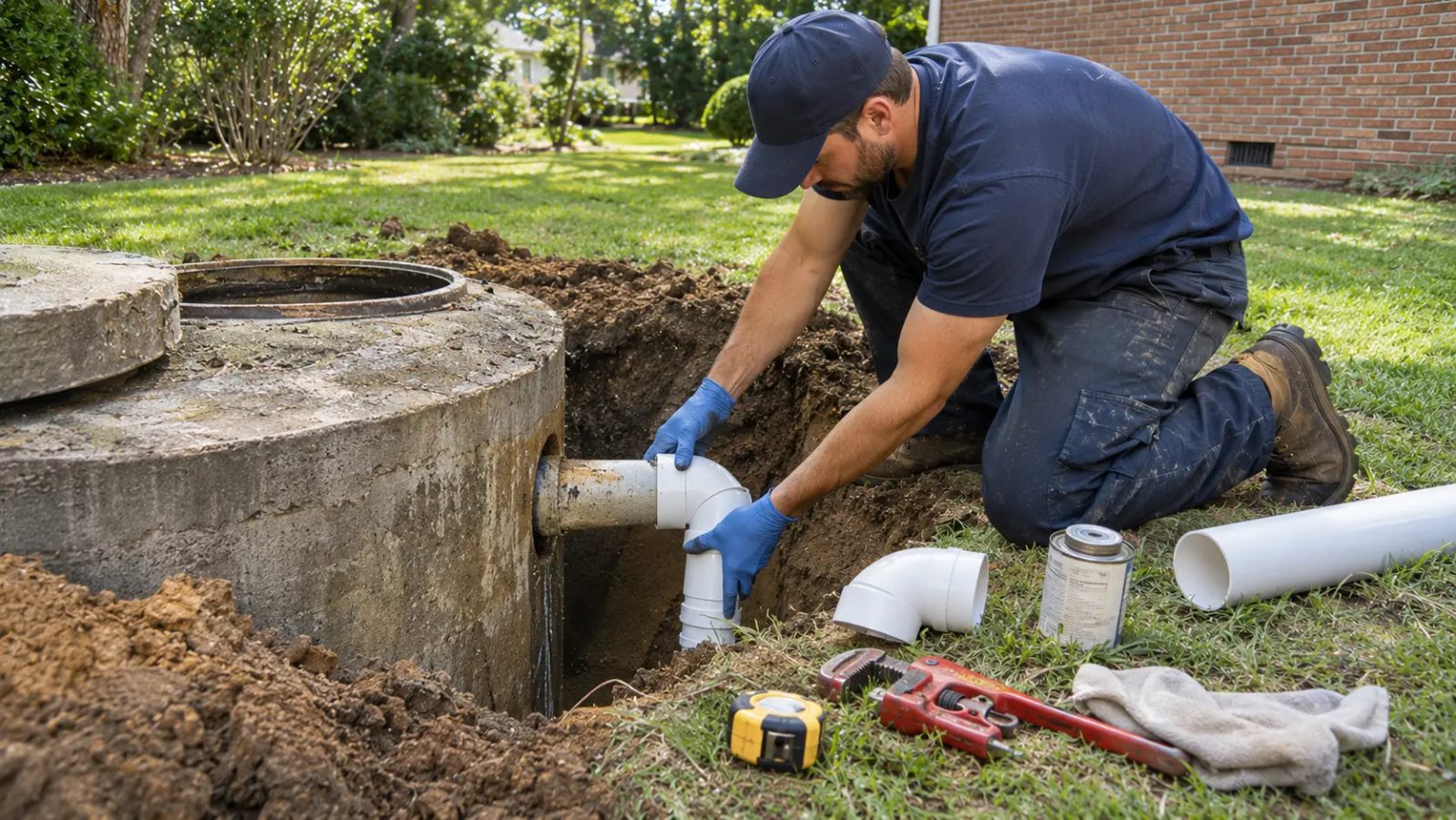
The purpose of cleaning is to address accumulated waste without damaging the tank or disrupting components unnecessarily. Different contractors may define a cleaning service differently, so ask what additional procedures are included before authorizing the appointment.
Sludge that remains inside a tank for a prolonged period can become difficult to remove. The amount and consistency depend on wastewater composition, previous maintenance and the conditions inside the tank. A contractor may need to loosen accumulated material using methods appropriate for the tank's construction. Removing excessive sludge can restore useful internal capacity and make accessible components easier to examine. The process must account for the tank's structural condition and any partitions separating its compartments. Explain whether previous contractors have reported unusually heavy deposits. This information can help establish whether the requested service requires more than a conventional pumping visit.
Floating material forms naturally as wastewater separates inside a septic tank. Excessive grease and other unsuitable substances entering household drains can contribute to heavier accumulation. When the floating layer becomes substantial, it may interfere with the tank's ability to retain solids effectively. The contractor can assess the condition of this material and determine how it should be removed. Cleaning should be accompanied by practical changes to wastewater habits when grease accumulation is a recurring concern. Collect cooking oils separately and avoid disposing of food scraps through drains. A cleaner tank cannot compensate indefinitely for materials that should not enter the wastewater system.
Some septic tanks contain outlet filters intended to prevent larger particles from moving toward the absorption area. These filters can become restricted as material accumulates. A clogged filter may contribute to elevated liquid levels or poor drainage even when other parts of the system remain functional. Filter maintenance must follow the equipment's requirements. The contractor can identify whether a filter is present, examine its accessible condition and discuss cleaning or replacement as needed. Inlet and outlet fittings may also warrant attention during the visit. Do not assume every tank has the same components or attempt to remove unfamiliar fittings without appropriate knowledge.
A house that has been vacant for a considerable period may have an uncertain septic maintenance history. Wastewater use may have stopped, but accumulated solids and existing defects do not necessarily disappear. Before regular occupancy resumes, it can be useful to establish the condition of the tank. Tell the contractor how long the property has been unused and whether the previous occupants left maintenance records. Cleaning may be appropriate if substantial deposits are present, while inspection can help identify other concerns. Restoring household water use gradually and following the contractor's recommendations may help reveal problems before the property returns to full occupancy.
You can explain persistent deposits, grease accumulation or maintenance gaps when submitting your information.
The contractor determines which cleaning methods suit the existing equipment.
Cleaning recommendations can be considered separately from structural or mechanical defects discovered during service.
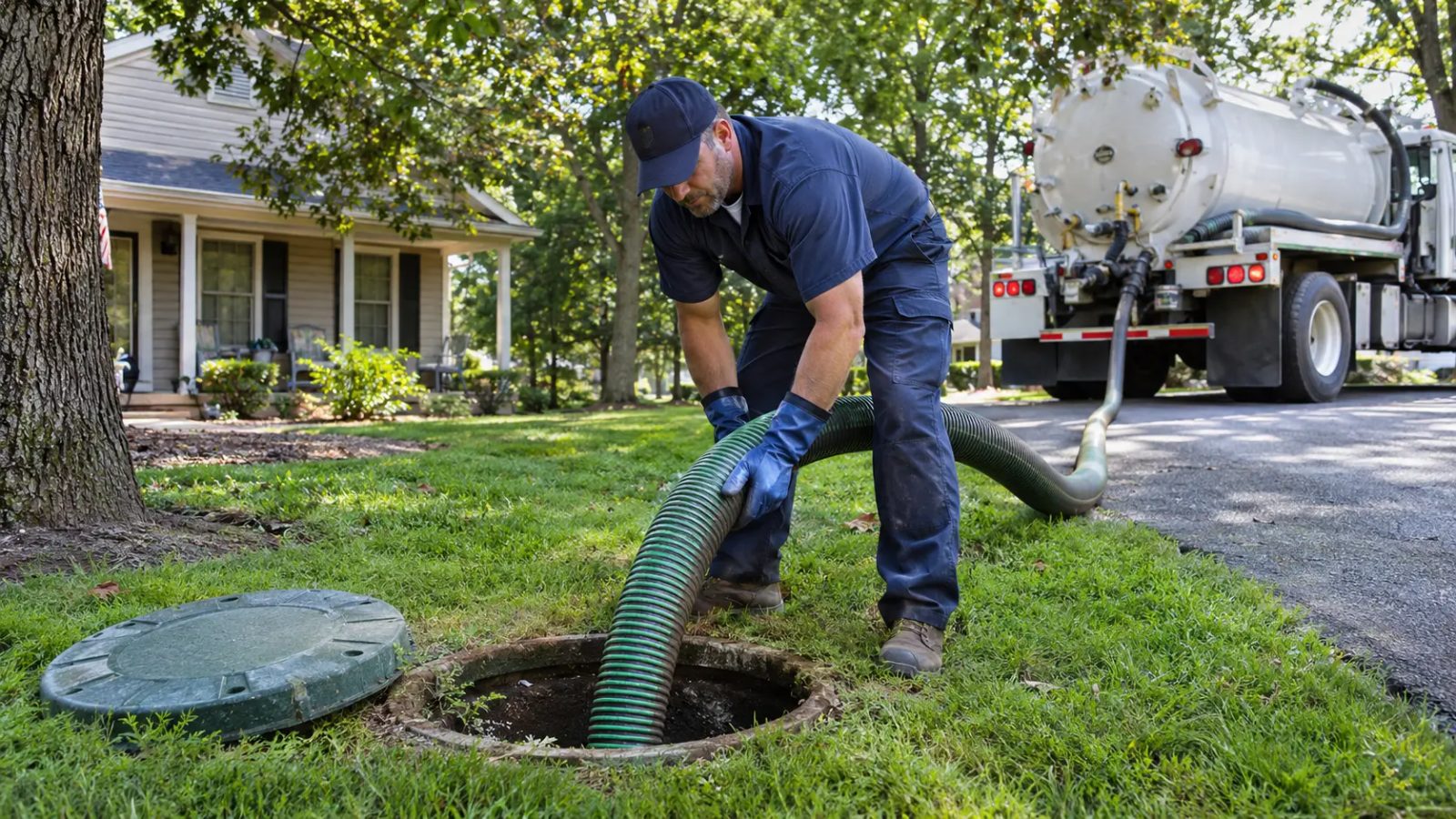
Request a discussion about the cleaning your septic tank actually needs.
Free — no obligations
Explain when the tank was last serviced and why additional cleaning is being considered.
The contractor discusses tank access, accumulated material and the proposed cleaning procedure.
Suitable equipment is used to remove the agreed material while accounting for the tank's condition.
Review observations about accumulation, filters and household habits that may affect future maintenance.
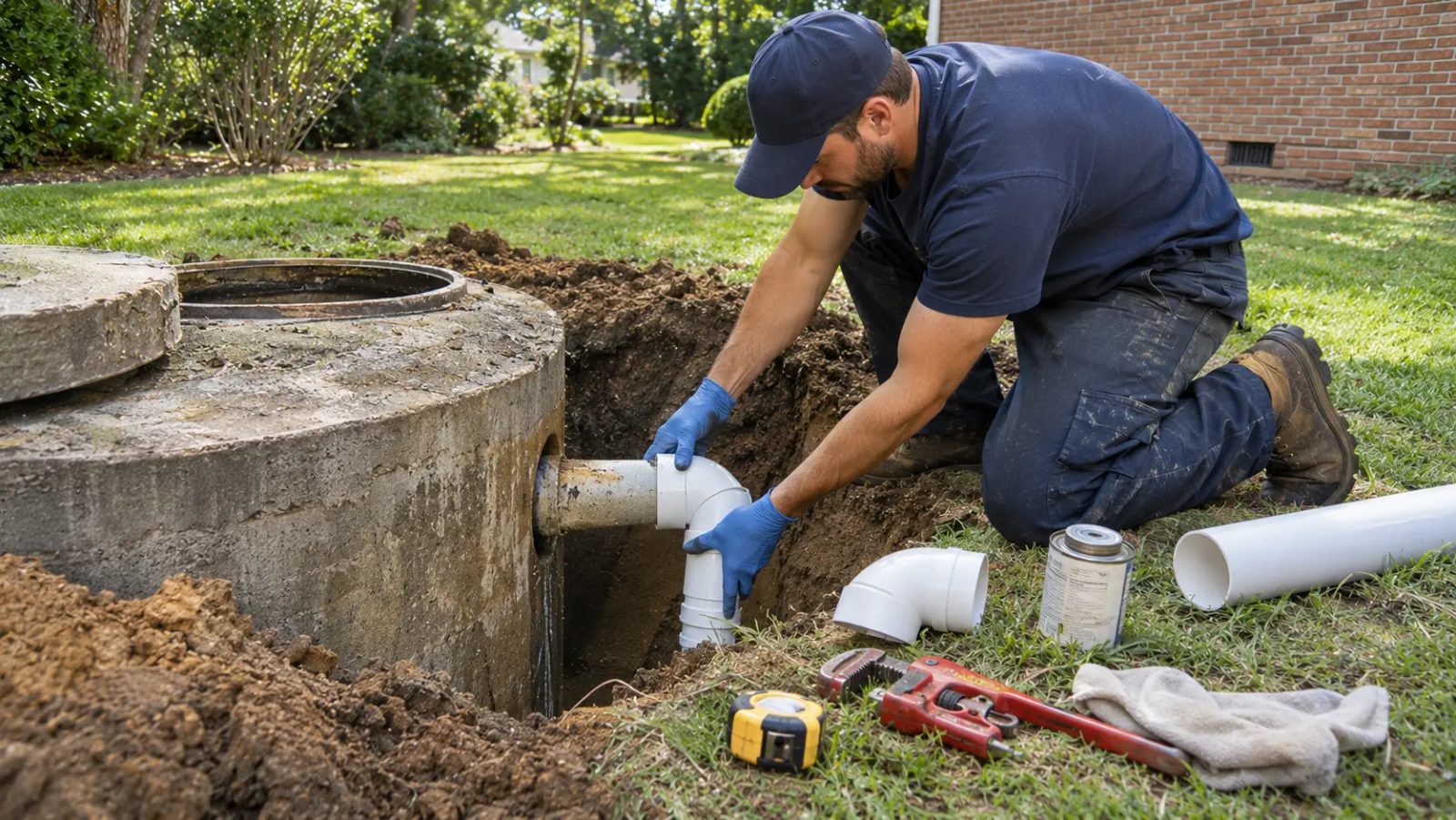
Pumping removes tank contents, while cleaning may include additional work to address stubborn deposits or accessible components. Ask the contractor how the requested service is defined.
Additives do not eliminate the need to remove accumulated solids. Some products may also interfere with normal wastewater treatment.
Not necessarily. Additional cleaning should reflect the actual condition of the tank and the material present.
Odors can originate from several parts of a wastewater system. Cleaning may address certain tank-related concerns, but persistent smells require investigation.